

UNS Farms on scaling high-efficiency vertical farming to strengthen the UAE’s food future

“The future of farming in the Gulf won’t come from importing more food”
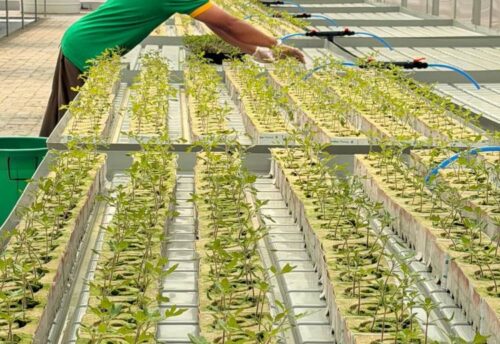
In a city where space is limited and water is scarce, UNS Farms is making the case for compact, data-driven agriculture. Based in Dubai, the farm operates one of the region’s most efficient vertical systems, spanning eight levels and producing up to 1,500 kilograms of fresh greens per day in a 30,000-square-foot facility, but the company’s ambitions stretch far beyond its flagship site.
“We’re actively working to scale our vertical farming operations to meet growing urban demand,” says Mehlam Murtaza, Executive Director at UNS Farms. “Our focus is not just Dubai, but urban centers across the Gulf Cooperation Council (GCC) countries where fresh, local produce is increasingly sought after.”
Founded in 2018 under the Speedex Group, UNS Farms has steadily transitioned from a single warehouse project into a broader platform for sustainable food production, education, and consulting. Today, the company supplies retailers, hospitality groups, and households across the UAE with a rotating portfolio of salads, microgreens, edible flowers, herbs, and fruits.
“Over the past two years, we’ve seen a significant uptick in interest from grocery chains, restaurants, and individual consumers,” Murtaza says. “This shift is driven by a regional movement toward healthier lifestyles and environmentally responsible sourcing.”
Precision at scale
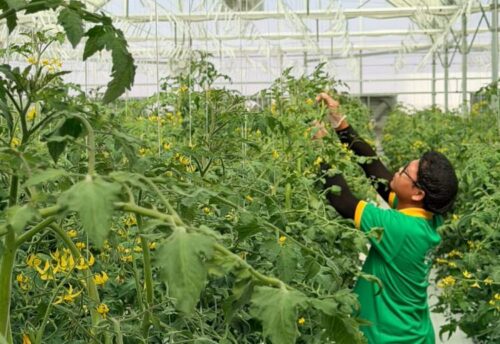
The farm uses a tightly controlled hydroponic system designed for high-density yields with minimal resource waste. Sensors track pH levels, light, humidity, temperature, and water quality in real time, allowing the team to standardize output and limit intervention.
“Every crop has its own needs,” says Murtaza. “So we tailor nutrient delivery and environmental settings accordingly. We’re constantly optimizing for performance and consistency.”
While common vertical crops like lettuce and herbs perform well, others have required more experimentation. “There are definitely crops that challenged us initially,” Murtaza adds. “But ongoing R&D allows us to keep adjusting. We’re learning what works best in these environments.”
Read More
Leave a Comment